
Postgraduate Study Abroad
Match your academic background with the right programme and application system.
A strong master’s application begins with the programme and its application system. Central systems have fixed calendars, while direct applications follow programme-specific deadlines. This guide explains how to plan for both.
Information check: 2026/27Official source links are listed at the end of the page.

- Goal
- Postgraduate
- Application
- By programme and country
- Application file
- Academic background · language · motivation
- Information status
- Verified against official sources
Destinations for postgraduate study abroad
For applicants comparing programmes that fit their academic background, timeline, budget and career goals.



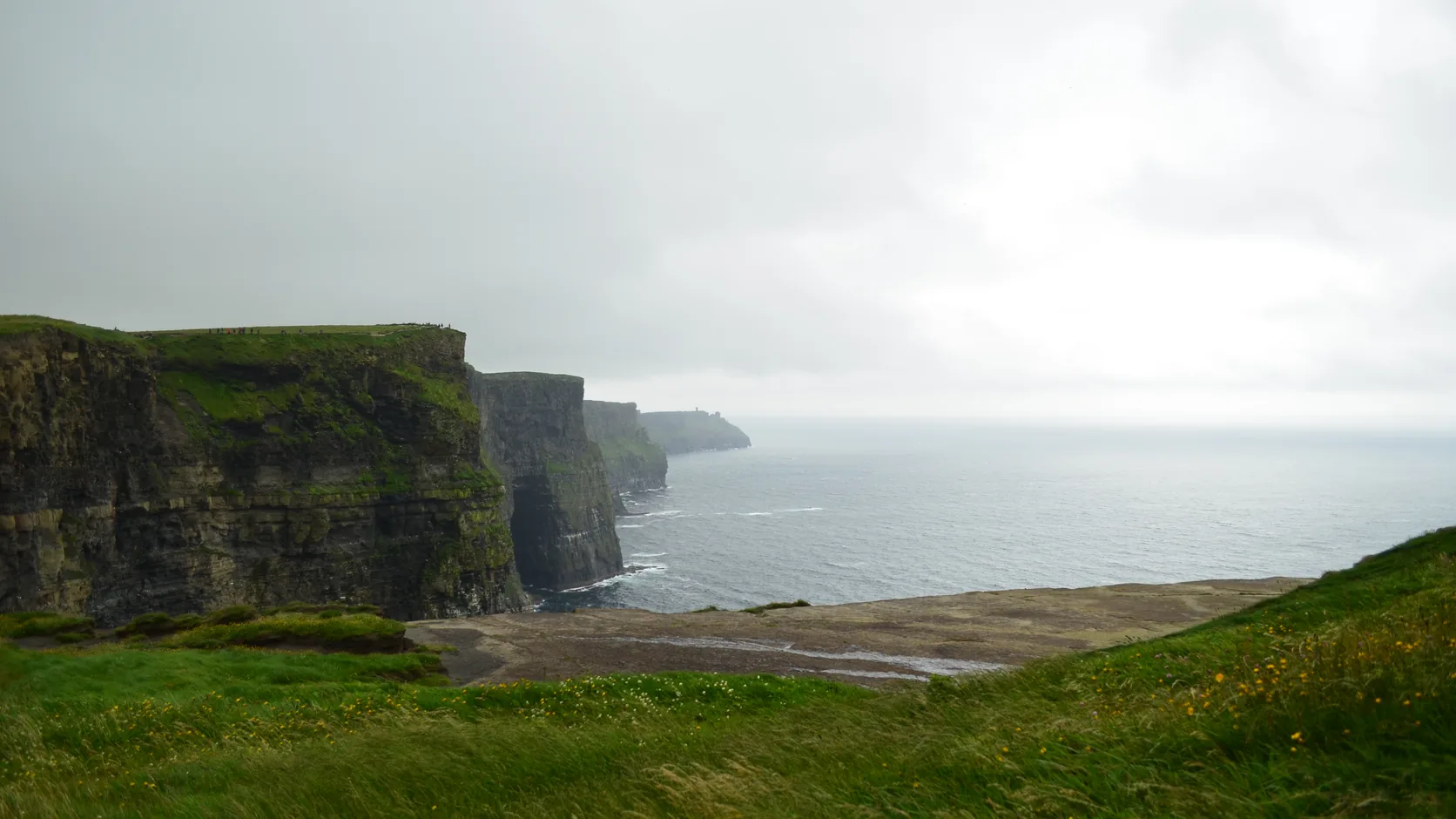
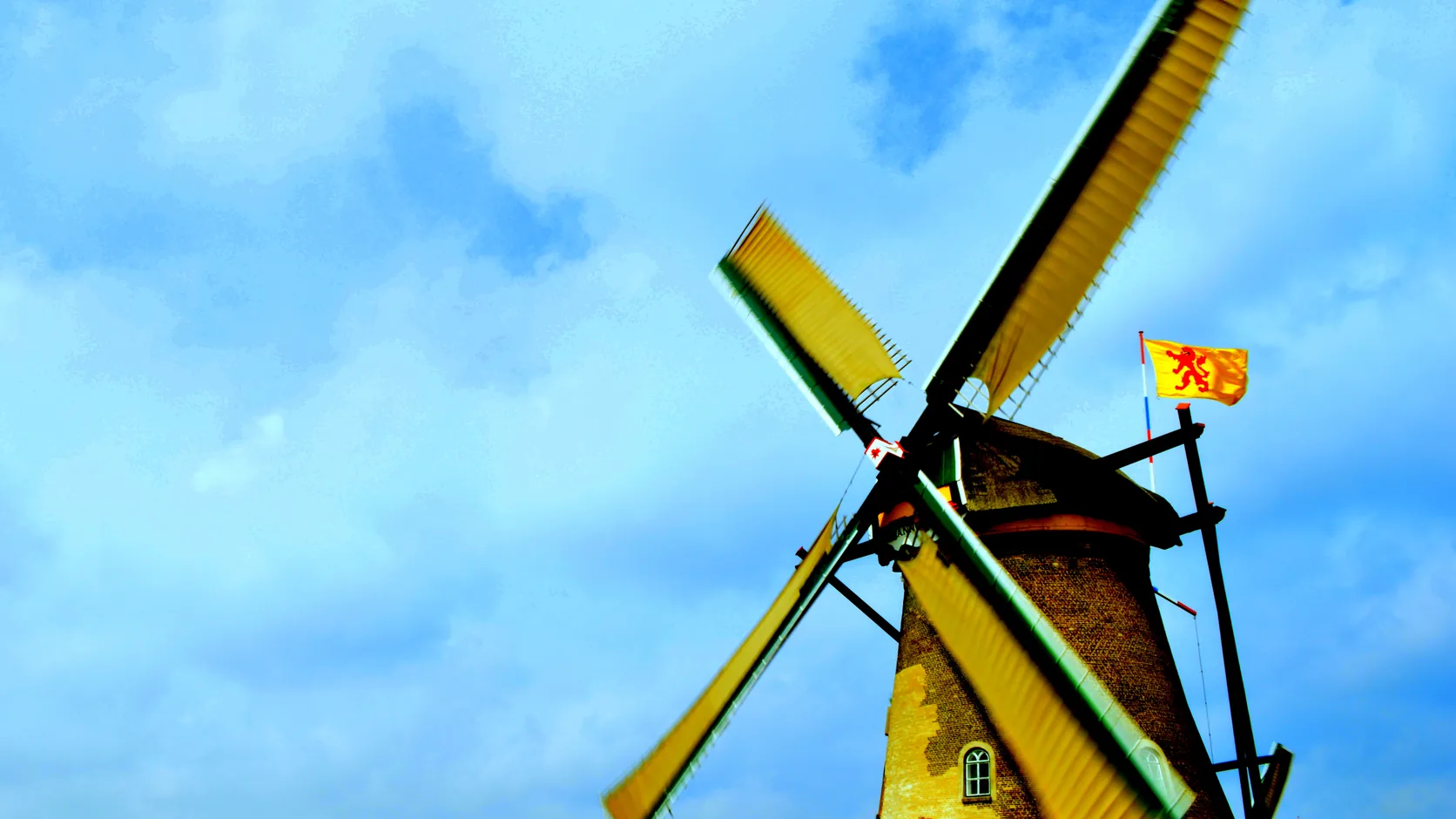
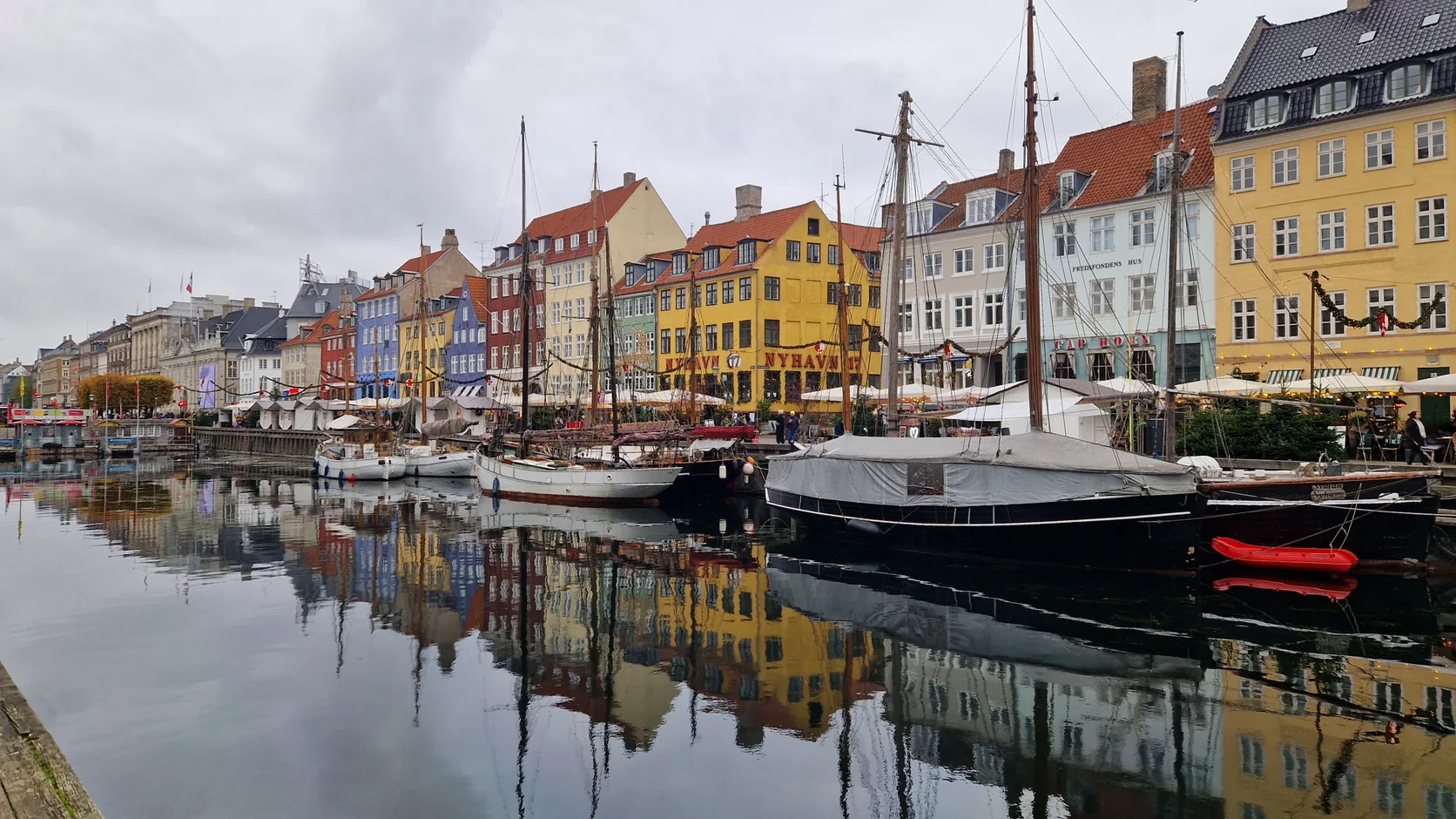


Not sure which destination suits you? Let us create a realistic shortlist for your profile.
Review my optionsDecision sequence
The most common mistake in master’s planning is to begin with the country. A better sequence is:
- Field and goal. Your intended path after graduation determines the type of programme.
- Transcript analysis. Which programmes match the modules in your bachelor’s curriculum?
- Language status. Which programmes accept your current evidence, and when must you take another test?
- Budget. Tuition, compulsory university charges, living costs and the proof-of-funds requirement.
- Country and programme shortlist. Once the four points above are clear, the shortlist narrows naturally.
An application list should not consist of a single programme. Because capacity thresholds shift from year to year, a list that spans different levels of selectivity is safer.
Application systems
Countries fall into three groups according to how they accept applications. This distinction determines how flexible your timeline can be.
| System type | Sample | Calendar | Conclusion |
|---|---|---|---|
| Central national system | Netherlands (Studielink), Denmark (optagelse.dk) | National level fixed dates | The missed date remains to the next period |
| Common preliminary assessment | Germany (uni-assist) | Program dates are added different, evaluation time | Extra time is needed for the document process |
| Directly to the university | Italy, UK (Postgraduate), USA | Her college’s own calendar | You must follow on the program basis |
In Germany, uni-assist says assessment may take four to six weeks after an online application is received and recommends applying at least eight weeks before the deadline. In Italy, Universitaly pre-registration is a separate step in addition to the academic application.
General planning timetable
- 12–14 months beforeField and programme researchTranscript review, module matching and an initial longlist.
- 10–12 months beforeLanguage-test planWork backwards from the deadlines to allow for the test and result date.
- 6–8 months beforeDocument preparationDegree certificate, transcript, translations and certification; statement of purpose and references.
- 4–6 months beforeSubmit applicationsChoosing the correct application channel is critical at this stage.
- After acceptanceProof of funds and visaBlocked account or other financial evidence, followed by the consular appointment.
How to compare the cost
Comparing countries by tuition alone is misleading. A useful comparison covers four cost categories:
- Tuition. Most German public universities charge none; non-EU/EEA students in Baden-Württemberg pay €1,500 per semester. In Italy, tuition is generally tiered by financial circumstances.
- Compulsory university charges. These may be due every semester even where tuition is not charged.
- Living costs. Usually the largest expense and best compared by city rather than country.
- Proof of funds. The visa amount is €11,904 per year for Germany and €10,179.85 per year for Italy for the 2026–2027 and 2027–2028 academic years.
The proof-of-funds amount is not itself a fee. It is the amount you must demonstrate at the visa stage, and should be kept separate from projected spending in your budget.
Country guides
Let’s build your master’s shortlist together.
We can assess your transcript and language evidence and create a realistic shortlist across different levels of selectivity.
Assess My ProfileFrequently asked questions
How long does a master’s degree abroad take?
It varies by country. In continental Europe, master’s degrees are commonly two years and 120 ECTS. Intensive one-year programmes are common in the United Kingdom and Ireland. Duration affects total cost and should be part of the country comparison.
Which country is more affordable for a master’s degree?
There is no single cheapest country because total cost combines tuition, compulsory charges and living expenses. Most German public universities charge no tuition, but living costs vary widely by city. Italian tuition is often tiered by financial circumstances. Compare at programme and city level.
Can I do a master's degree in a different area from my bachelor’s degree area?
Some programmes are open to a change of field and some are not. In continental Europe, consecutive programmes look for an overlap with your bachelor's curriculum; separate programme categories exist for those changing field. The decision should therefore follow a review of the module matching in your transcript.
Sources
- Make it in Germany (Germany Federal Government) — Student visa, proof of funds and work right
- uni-assist e.V. — Application deadlines and evaluation time
- Baden-Württemberg Ministry of Science, Research and the Arts — Study fee for non-EU students
- Italian Ministry of Foreign Affairs (Ministero degli Affari Esteri) — Student visa, proof-of-funds amount and right to work
- Universitaly (portal of the Italian Ministry of Universities and Research) — Pre-registration for students from abroad (preiscrizione)